Blog
Reflections on the word of God, sermons and spiritual guidance.
How Is Hope Preserved Through Jeremiah's Tears?
Jeremiah is not only a stern voice of judgment but a faithful prophet who weeps for his people. In his message, warning and hope stand together.
Why Did Jesus Pray This Way in Gethsemane?
Jesus' prayer in Gethsemane brings together deep human anguish and complete obedience to the Father's will. It shows how sorrow, fear, and faithful surrender can stand si...
What Is a Hymn in Church, and Why Is It Sung Together?
In church, a hymn is more than music; it is a language of worship that carries prayer, teaching, and communal unity. From the Psalms to the early church, it expresses sha...
Why Was the Council of Ephesus Convened, and What Was the Debate About Mary and Christ?
The Council of Ephesus was not only about Mary’s title, but about the identity and unity of Jesus Christ. The debate shaped how Christians explained Christ as one person.
Why Is Jacob’s Ladder Dream Such an Unforgettable Story?

Jacob’s dream at Bethel shows that even in fear and uncertainty, God is not distant. This brief passage brings promise, protection, and the awareness of holy ground into...
Why Does Aaron’s Mediation Appear Both Valuable and Fragile?
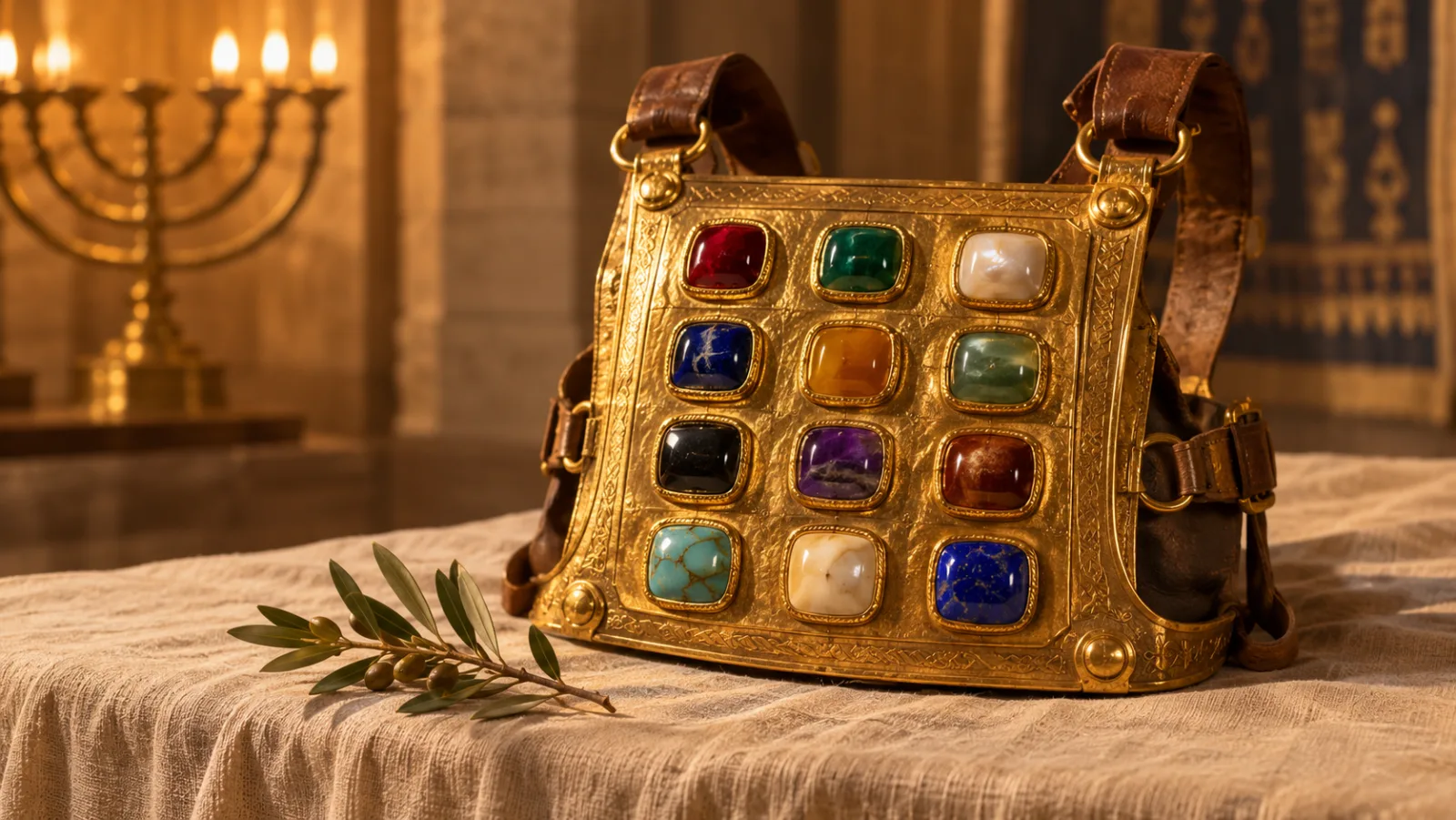
Aaron carries a weighty role as Israel’s first high priest, standing between God and the people. Yet the golden calf episode and his weaker moments show how fragile sacre...
What Is Iconoclasm, and Why Did the Icon Debate Divide the Church?
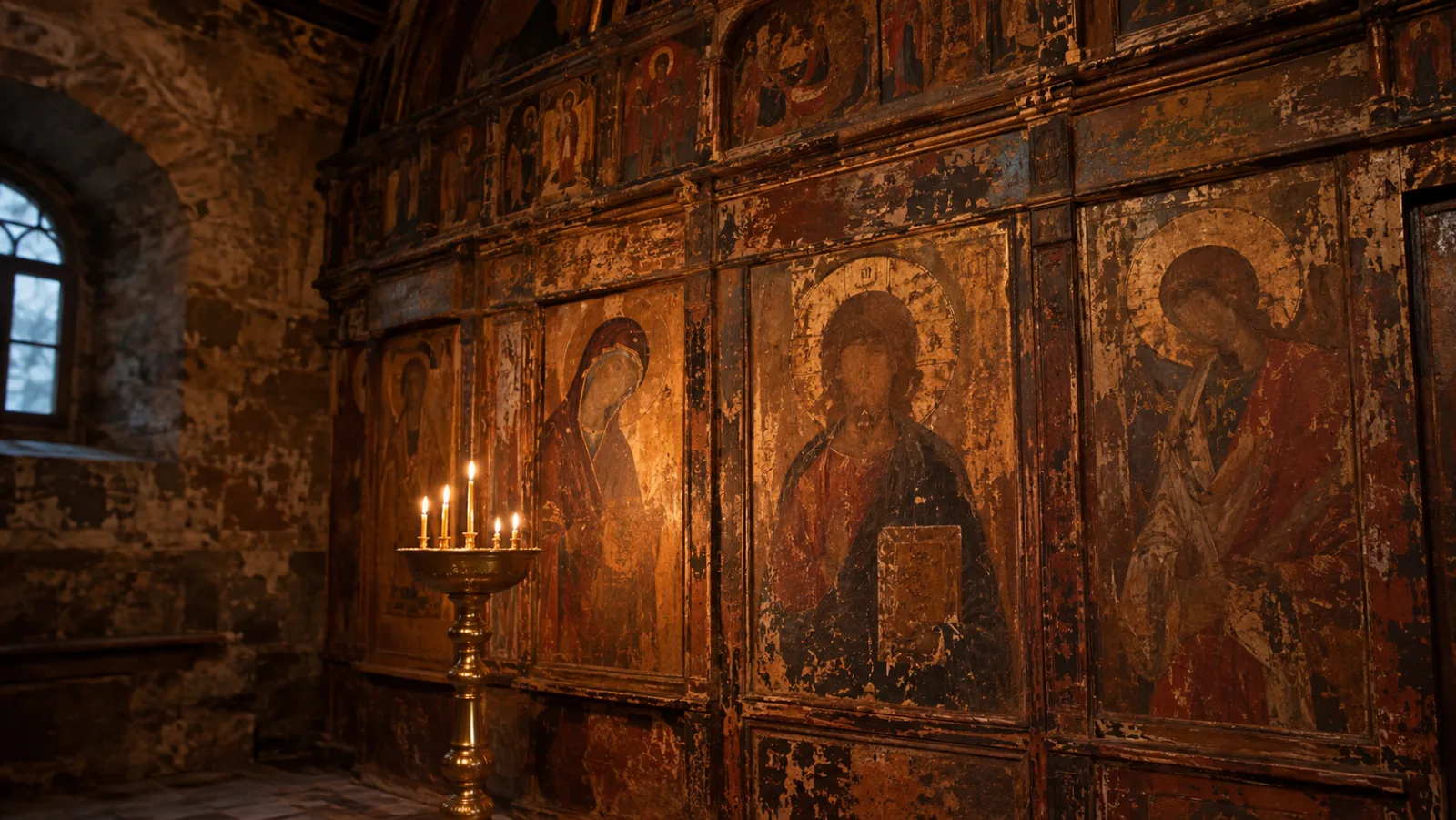
Iconoclasm grew around one central question: when does reverence for sacred images become idolatry? The dispute exposed the tension between the Old Testament ban on idols...
Why Did the Babylonian Exile Happen, and How Was Faith Preserved in Crisis?
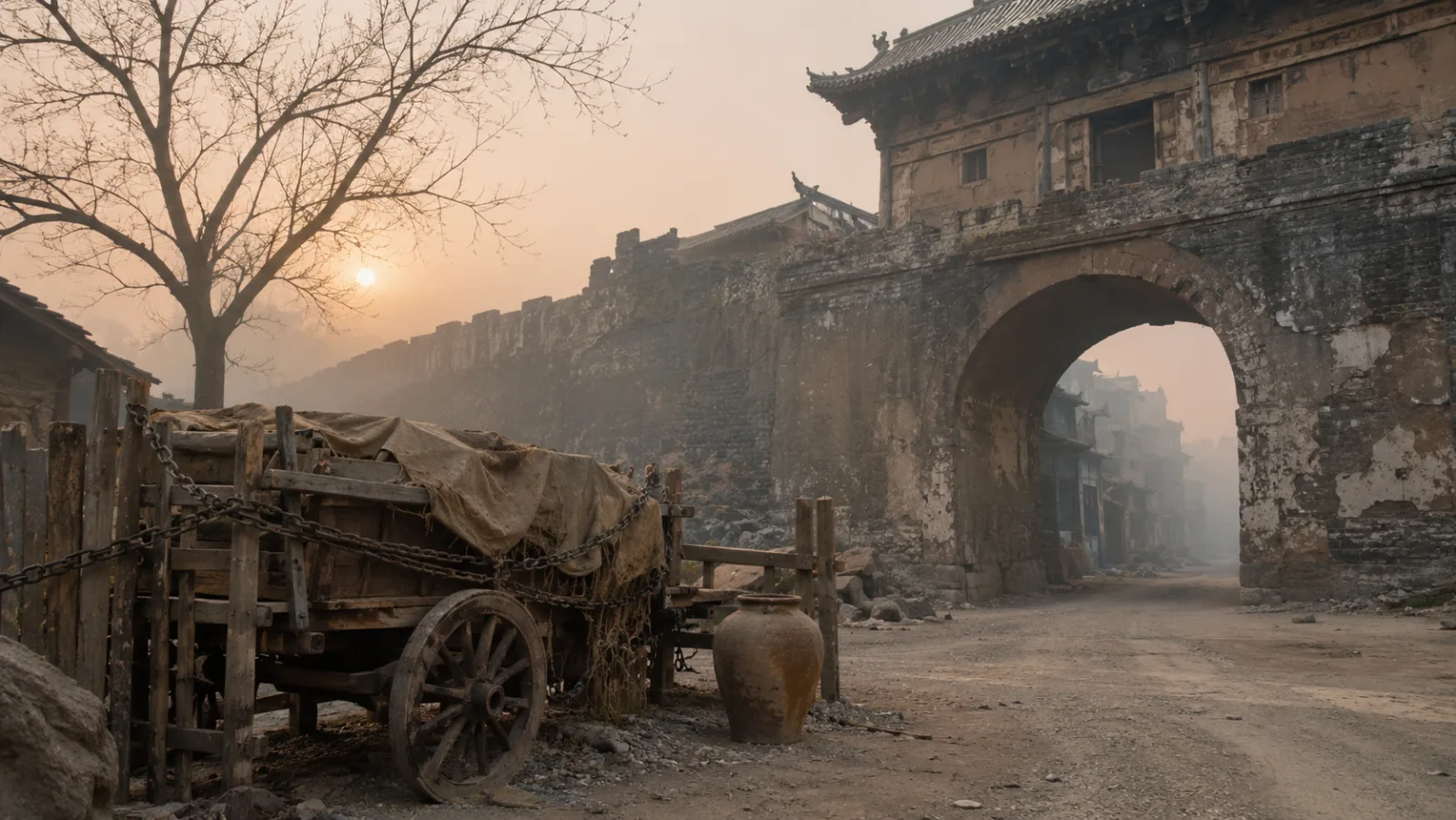
In Scripture, the Babylonian exile is more than a political collapse; it is presented as a severe warning tied to covenant unfaithfulness. Yet exile also becomes a settin...
What is a deacon, and what service do deacons carry out in the church?
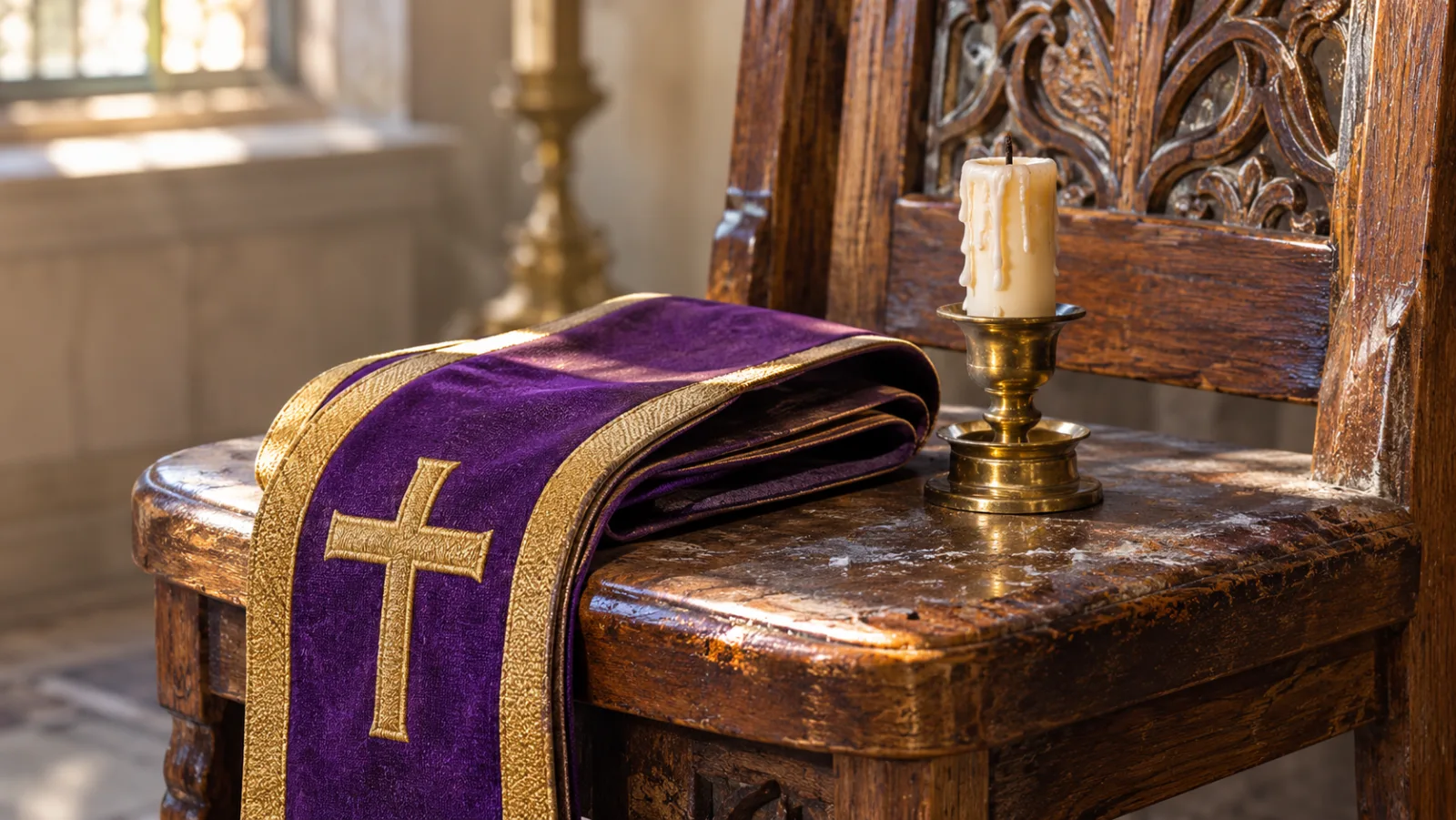
A deacon is not merely a ceremonial title in Christian tradition, but a ministry associated with service, care, and order. This article explains the place of the diaconat...
What Were the Catacombs, and How Did Early Christians Leave Their Mark Underground?
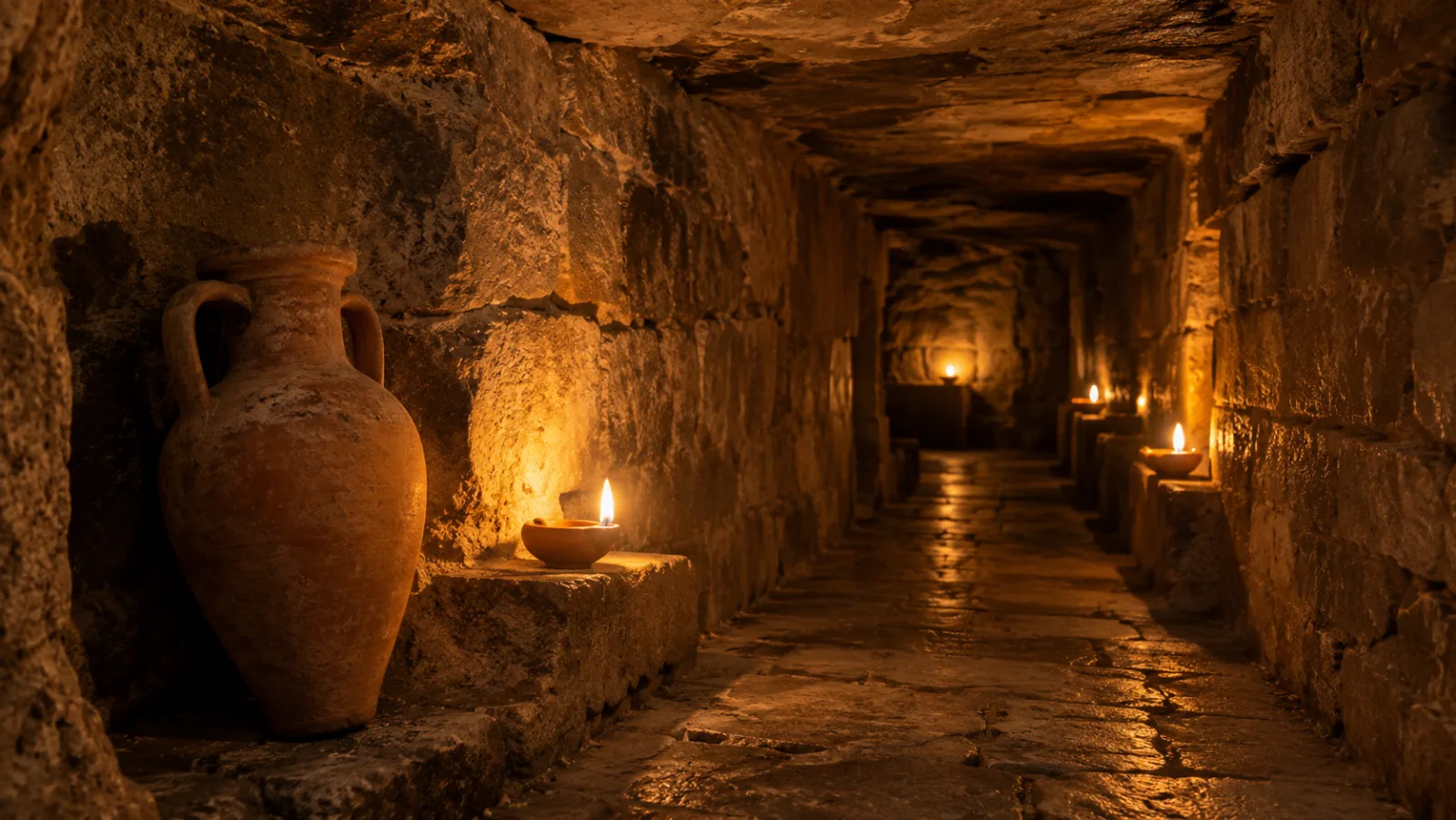
The Roman catacombs were not merely hiding places. Early Christians used these underground cemeteries for burial, remembrance, and the shared hope of resurrection.
What is confirmation, and why are profession of faith and blessing mentioned together?
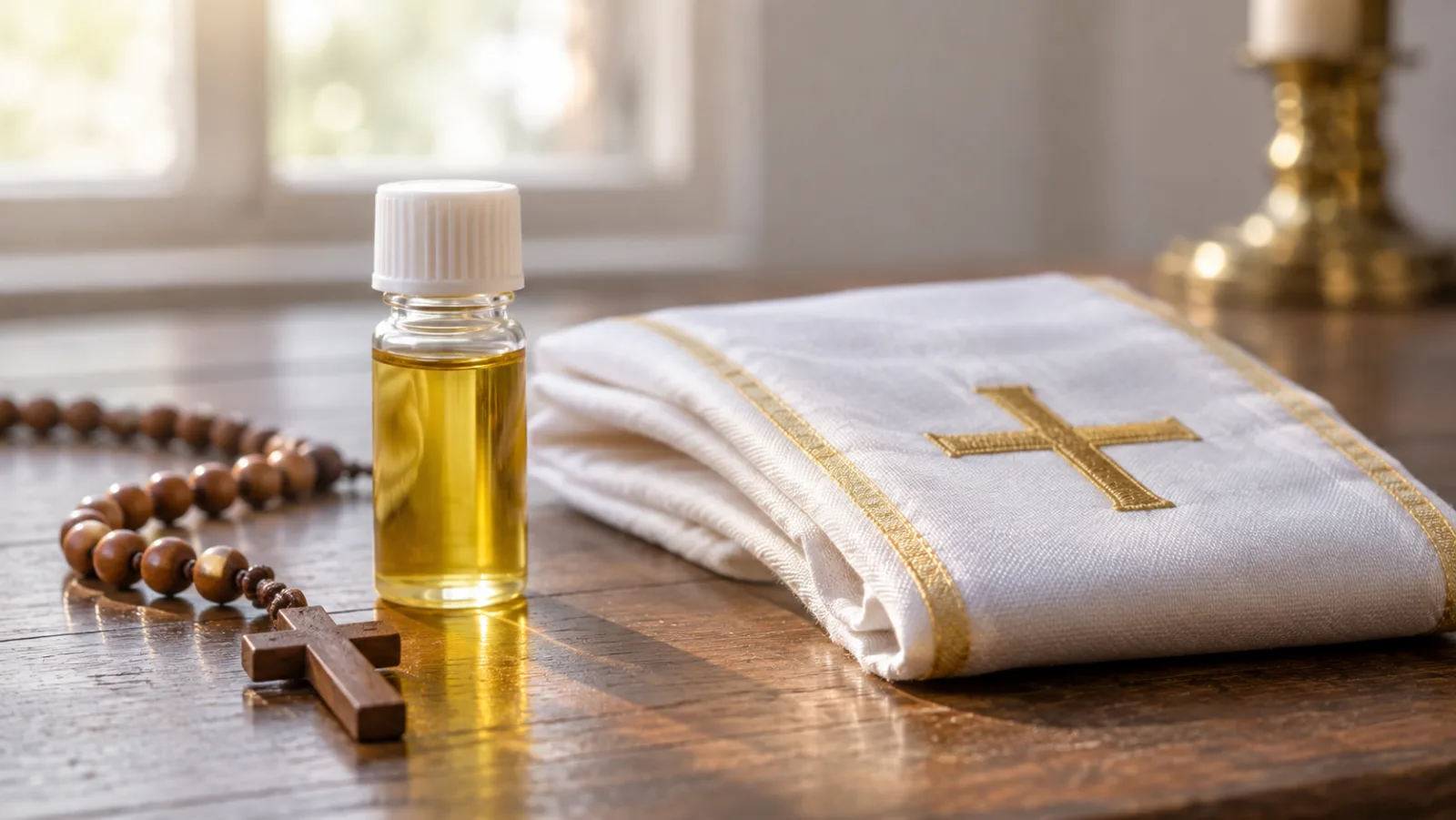
Confirmation is commonly linked with post-baptism profession of faith, public maturity before the church, and blessing. Its meaning varies by tradition, but witness, pray...
Why Is Mary Magdalene Important as One of the First Witnesses?
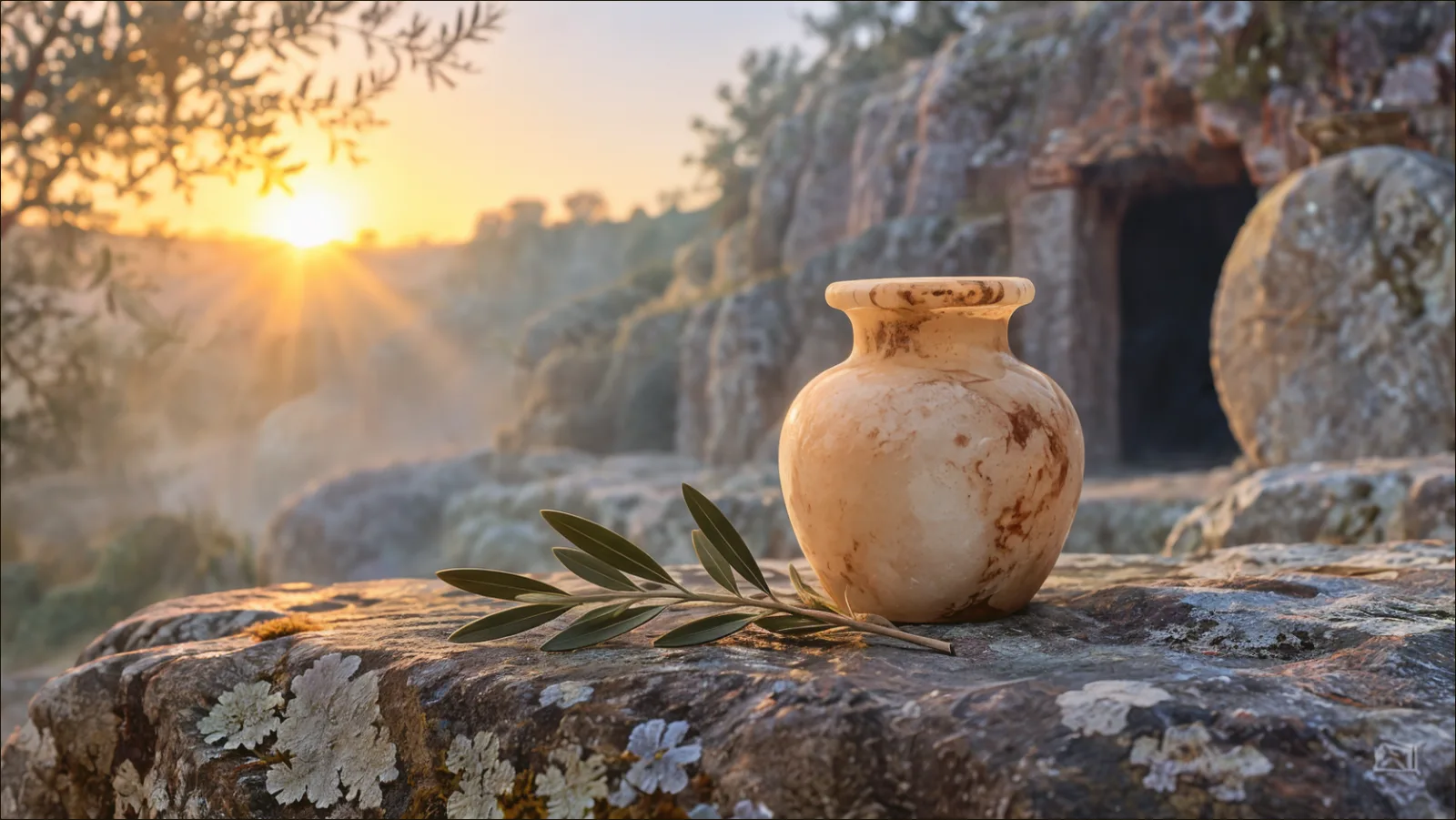
Mary Magdalene stands out as a disciple freed from her past and as one of the first witnesses of Easter morning. Her story is remembered through loyalty, tears, and annou...
Why Was Solomon’s Temple So Important?
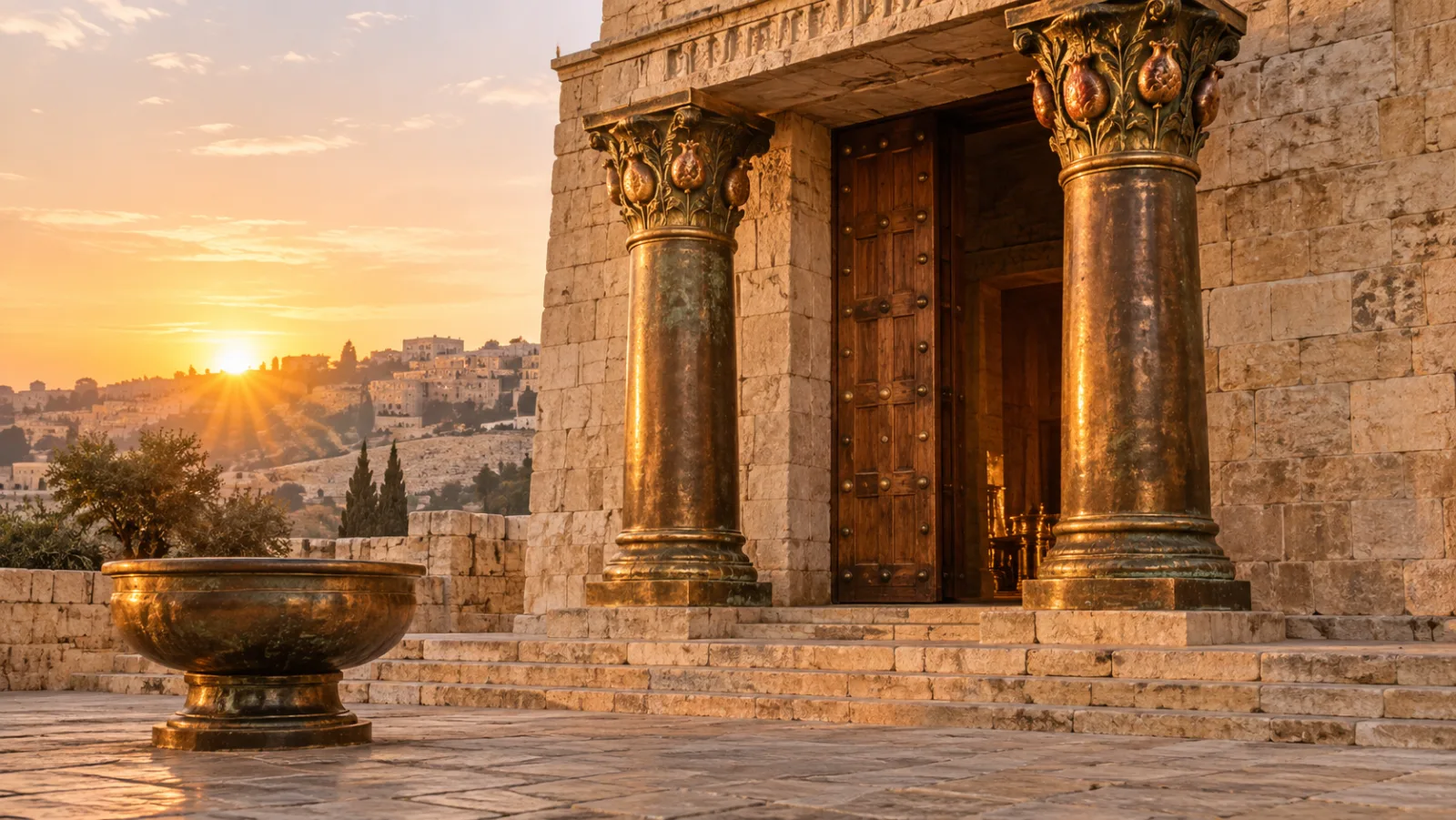
Solomon’s Temple stood at the center of Israel’s worship and was set apart for God’s name. Its importance is seen not only in its splendor, but also in the humility of it...
Why Is Forgiveness So Hard? Can Bitterness Be Released?
Forgiveness is not calling evil good. In Christian understanding, it means entrusting the burden to God without denying justice, and walking a repeated path of healing.
What is a Patriarch, and what is the role in Orthodox and Eastern churches?
A patriarch is a high ecclesial title especially associated with Orthodox and Eastern church traditions. This article explains its origins, where it is used, and how it d...
How Did Elijah Stand in Loneliness, and What Did the Fire Reveal?

Elijah’s victory on Mount Carmel and the collapse that follows reveal the highs and lows of spiritual life, centering on fear, exhaustion, and God’s gentle voice.
What Did the Edict of Milan Change, and How Did the Church Transform After Constantine?
The Edict of Milan in 313 marked a major shift from a persecuted church to a publicly visible one. That transition brought both freedom and new pressures.
Why Did the Reformation Begin, and What Did It Fundamentally Change in Church History?
The Reformation was not only a protest against church practices. It became a deep debate about authority, grace, Scripture, and conscience, accelerated by print and verna...